
Blog
Complete Guide to Flour Mills: Types, Uses & Benefits

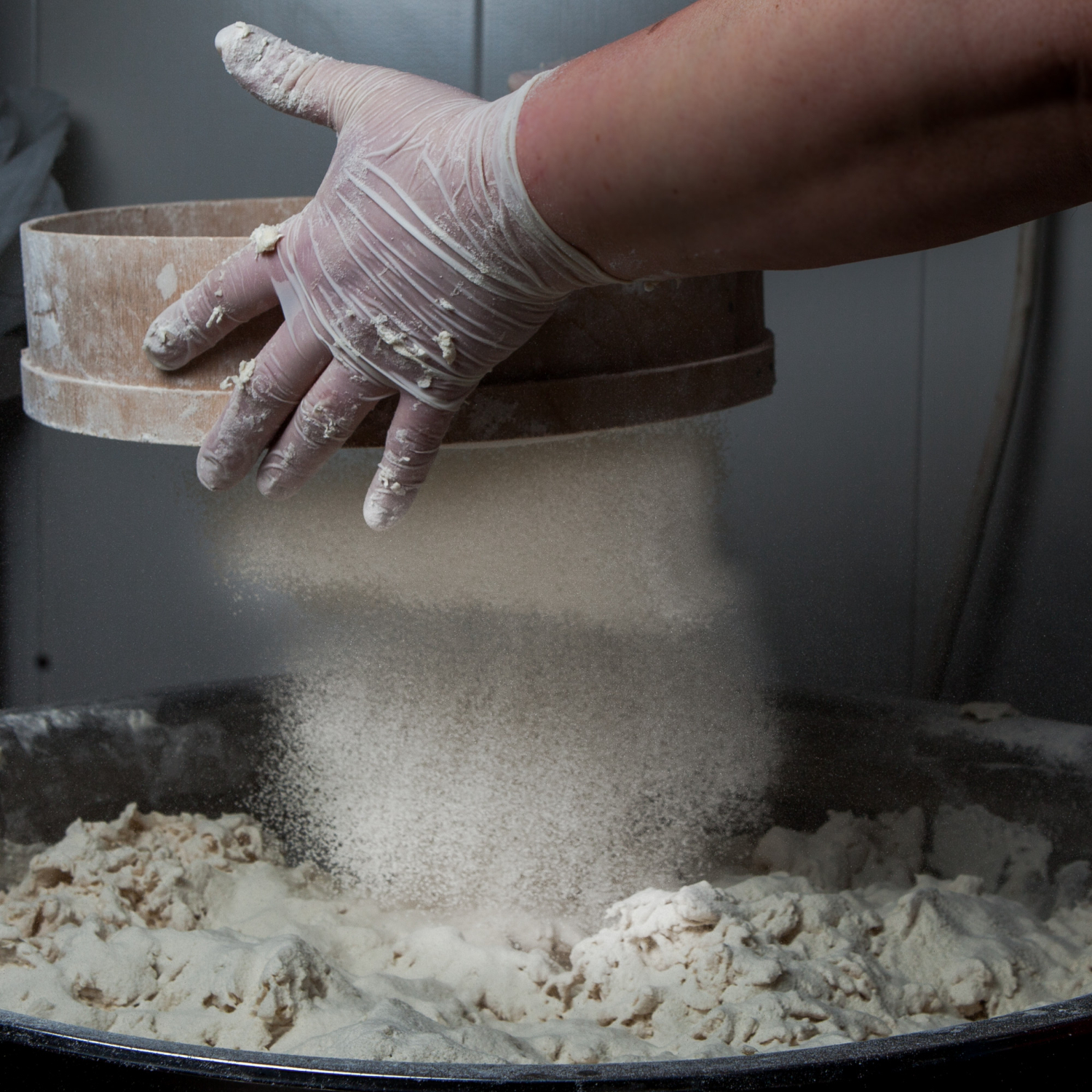
Flour mills play a vital role in transforming raw grains into fine flour used in households and industries worldwide. From traditional stone chakki systems to modern automated roller mills, flour milling has evolved significantly to meet growing demand and quality standards. Whether you are a homeowner, entrepreneur, or industrial buyer, understanding flour mills—their types, uses, and benefits—can help you make informed decisions.
This complete guide will walk you through everything you need to know about flour mills.
What is a Flour Mill?
A flour mill is a machine or facility used to grind grains such as wheat, rice, maize, or pulses into flour. The process involves cleaning, grinding, and separating different components to produce high-quality flour.
Flour mills are used in:
- Homes for fresh daily flour
- Small businesses like local atta chakki shops
- Large-scale industrial production units
Types of Flour Mills
1. Domestic Flour Mills
Domestic flour mills are compact machines designed for household use. They allow users to grind grains at home, ensuring fresh and chemical-free flour.
Features:
- Small size and easy operation
- Low power consumption
- Ideal for daily home use
Best For: Families who prefer fresh and healthy flour.
2. Commercial Flour Mills
Commercial flour mills are used by small and medium businesses to produce flour in larger quantities.
Features:
- Higher production capacity
- Durable construction
- Suitable for continuous operation
Best For: Retail shops, small industries, and local suppliers.
3. Industrial Flour Mills
Industrial flour mills are large-scale plants equipped with advanced automation and high-capacity machines.
Features:
- Fully automated systems
- High efficiency and output
- Advanced quality control
Best For: Large manufacturers and export businesses.
4. Stone Flour Mills (Chakki)
Stone flour mills use natural stones to grind grains. This traditional method is still popular due to its ability to retain nutrients.
Features:
- Slow grinding process
- Retains natural taste and nutrition
- Minimal heat generation
Best For: Organic and traditional flour production.
5. Roller Flour Mills
Roller flour mills use steel rollers for grinding and are widely used in modern milling industries.
Features:
- High-speed operation
- Uniform particle size
- Suitable for mass production
Best For: Large-scale commercial and industrial operations.
Uses of Flour Mills
Flour mills serve a wide range of applications across different sectors:
1. Household Use
Domestic flour mills allow families to grind fresh flour at home. This ensures better nutrition and avoids preservatives commonly found in packaged flour.
2. Food Industry
Flour mills are essential for producing flour used in baking, cooking, and food processing. Industries rely on consistent quality for products like bread, biscuits, and snacks.
3. Agricultural Processing
Farmers and agricultural businesses use flour mills to process harvested grains into consumable products, adding value to raw materials.
4. Commercial Sales
Retail flour mills produce flour for local markets, supermarkets, and bulk buyers. This is a profitable business with steady demand.
Benefits of Using Flour Mills
1. Fresh and Healthy Flour
Flour mills allow you to produce fresh flour without additives or preservatives, ensuring better taste and nutrition.
2. Cost-Effective
Grinding your own flour can reduce long-term costs compared to buying packaged flour regularly.
3. High Efficiency
Modern flour mills are designed for fast processing, saving time and labor.
4. Customization
Users can grind different types of grains and adjust texture according to their needs.
5. Business Opportunities
Flour milling is a profitable business with consistent demand in both rural and urban areas.
6. Improved Hygiene
Modern machines maintain high cleanliness standards, ensuring safe food production.
How to Choose the Right Flour Mill
Selecting the right flour mill depends on your needs and budget. Here are some factors to consider:
- Capacity: Choose based on daily production requirements
- Power Consumption: Opt for energy-efficient machines
- Size & Space: Ensure it fits your available space
- Maintenance: Look for low-maintenance designs
- Budget: Balance cost with features and durability
Conclusion
Flour mills are an essential part of both daily life and industrial food production. With various types available—from domestic units to large industrial plants—there is a suitable option for every need. Understanding the types, uses, and benefits of flour mills can help you make the right investment, whether for home use or business purposes.
As technology continues to advance, modern flour mills are becoming more efficient, reliable, and user-friendly. Investing in the right flour mill can improve productivity, ensure better quality, and open up new business opportunities.