
Blog
Flour Mill Business Guide: Setup, Cost & Profit in India

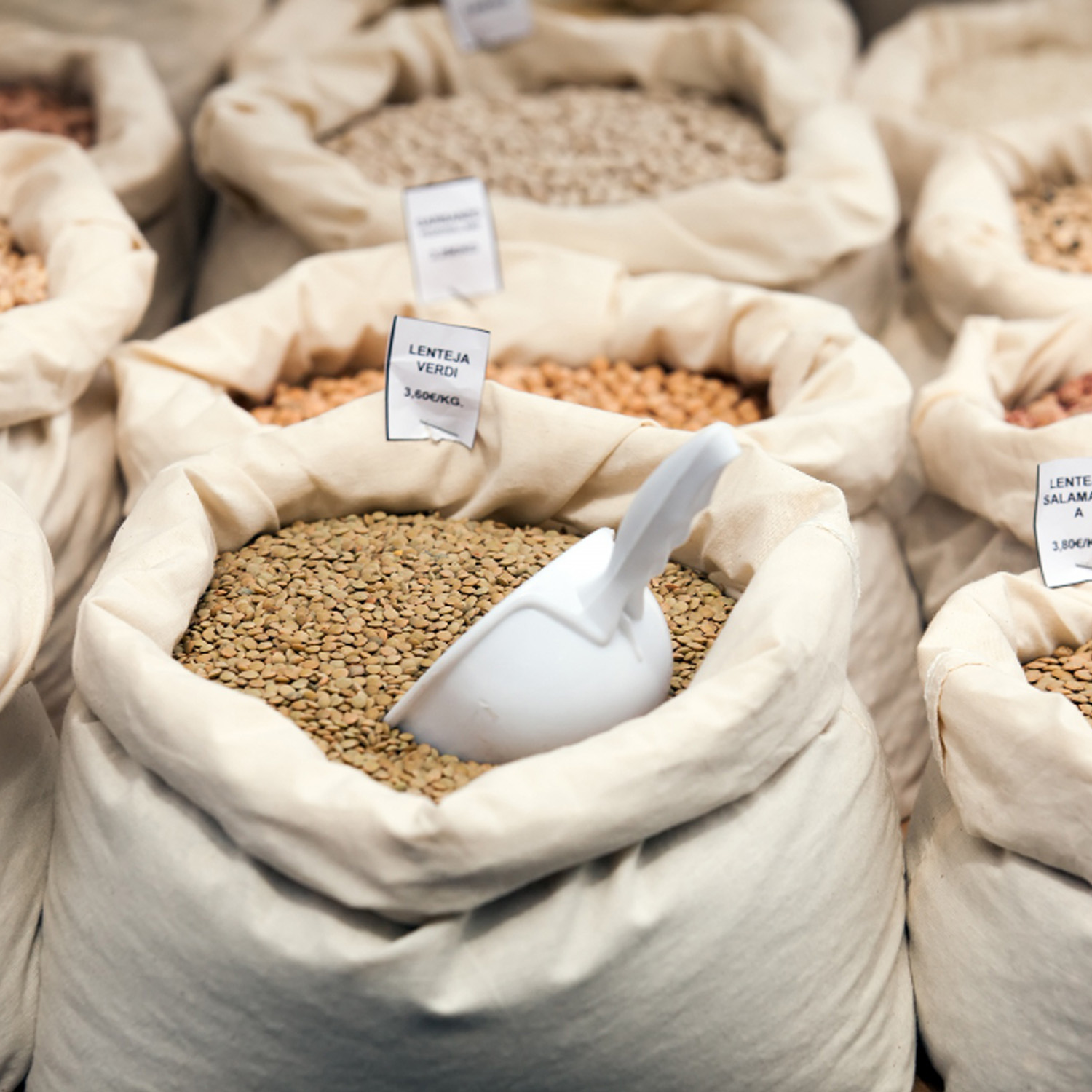
Starting a flour mill business in India is a profitable and sustainable opportunity, especially with the constant demand for wheat flour (atta), maida, and other grain products. Whether you plan to launch a small-scale atta chakki or a fully automatic commercial flour mill, this business offers steady returns with the right planning and execution.
1. Flour Mill Business Setup in India
To begin your flour mill business, you need to focus on a few essential steps:
- Location Selection: Choose a location with good connectivity and easy access to raw materials like wheat and grains.
- Business Registration: Register your business under MSME and obtain licenses such as FSSAI certification.
- Machinery Setup: Invest in high-quality flour mill machines (manual, semi-automatic, or fully automatic depending on your budget).
- Electricity & Space: Ensure proper power supply and enough space for machine installation and storage.
A small flour mill can be started in a 200–500 sq. ft. area, while larger units may require industrial space.
2. Flour Mill Machine & Equipment
The success of your flour mill largely depends on the quality of machinery. Key equipment includes:
- Cleaning machine (removes dust and impurities)
- Grinding machine (atta chakki)
- Sieving machine (for fine flour separation)
- Packaging unit
Modern machines are energy-efficient, low maintenance, and designed for high output, making them ideal for long-term business growth.
3. Flour Mill Business Cost in India
The investment depends on the scale of your business:
- Small Flour Mill (Domestic/Local): ₹50,000 to ₹2,00,000
- Medium Scale Flour Mill: ₹2,00,000 to ₹10,00,000
- Large Commercial Flour Mill: ₹10,00,000 to ₹50,00,000+
Additional costs include rent, electricity, labor, packaging, and transportation.
4. Profit Margin in Flour Mill Business
The flour mill business offers attractive profit margins due to high demand:
- Average profit margin ranges from 10% to 25%
- Daily production capacity directly impacts income
- Value-added products like multigrain flour or packaged atta increase profits
For example, a small flour mill can earn ₹1,000 to ₹3,000 per day, while large units can generate significantly higher returns.
5. Marketing & Growth Strategies
To grow your flour mill business, focus on:
- Local shop and retailer partnerships
- Branding and packaging for packaged flour
- Online marketing and social media promotion
- Providing high-quality and hygienic products
Building trust and consistent quality will help you gain loyal customers and expand your business.
6. Why Flour Mill Business is Profitable
- Constant demand for wheat and grain products
- Low risk and stable income
- Easy to start with small investment
- Scalable business model
Conclusion
The flour mill business in India is a smart investment for entrepreneurs looking for steady income and long-term growth. With proper planning, quality machinery, and effective marketing, you can build a successful and profitable flour mill venture. Whether starting small or aiming for a large-scale operation, the opportunities in this industry are vast and rewarding.